
Predictive AI: use cases
Virtual testing
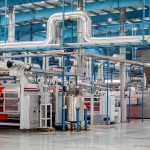
- The features required for each manufactured component to be deemed suitable are typically checked (often through sampling) after production. How do the materials and production processes used affect these characteristics?
- By predicting product properties based on input data and production process parameters, our client was able to define meaningful thresholds, identify critical configurations and focus on the most efficient processes.
- Predictive analysis led to significant savings in both production time and overall costs.
Predictive Analysis of Product Performance
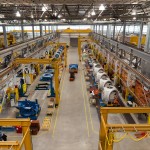
- The outputs of a production process can become the basic components for a subsequent process. To be admitted to the next stage, semi-finished products undergo testing to assess their suitability. These tests can be resource-intensive, costly, or time-consuming.
- By predicting test results based on data from the semi-finished products’ production process, our client was able to identify unsuitable components in advance and pinpoint critical issues in the production line.
- Predictive analysis led to significant savings in both production time and associated costs.
Predictive analysis of production waste
- Production waste clearly represents a needless use of resources: these are components that must be discarded due to defects.
- By predicting production waste based on data from the manufacturing process, our client was able to identify the stages and procedures that most significantly contribute to waste generation.
- Predictive analysis led to greater awareness of the production phases and a reduction in overall costs.
Smart logistics
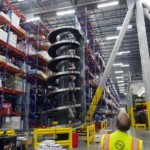
- Smart use of data adds significant value in the field of logistics – both internal and external – by enabling companies to make decisions based on accurate and timely information, even in real time.
- Data-driven forecasts of sales or demand make it possible, for example, to allocate goods across warehouses efficiently and to plan production and raw material orders based on consumption and sales trends.
- Predictive analysis led to a streamlined goods allocation process, resulting in optimized space usage, reduced waiting times, and lower costs.